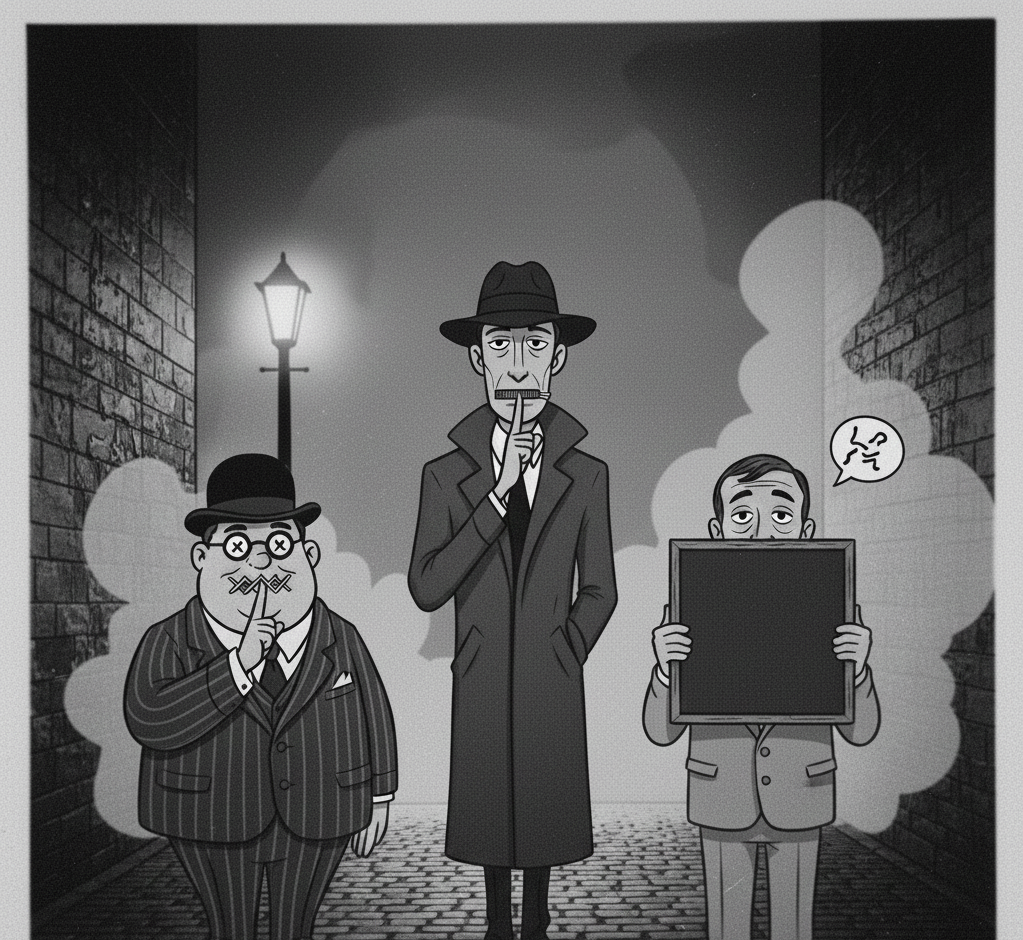

Men often become more silent at a certain stage of life, but this silence usually hides many things: changing personality,
hormones, stress, disappointments, health issues, and how society has trained them to handle emotions. Understanding
these layers helps families and partners respond with empathy instead of hurt or anger.
Personality naturally changes with age
Research on personality across the lifespan shows that as people grow older, they tend to become less outwardly
expressive and more inwardly focused. Traits linked with being very social and talkative (like extraversion) often decrease slightly with age, while traits like calmness, stability, and conscientiousness usually increase. For men, this shift can look like:-
Less interest in big social gatherings
More preference for quiet routines
Less energy for long emotional conversations or drama
This is not always a sign of depression or relationship problems; sometimes it is simply a natural move toward reflection and simplicity. Many older men value peace more than being heard in every discussion, so they “talk less and think more.”
Hormones, energy, and health play a role
Men’s bodies also change with age. Testosterone levels gradually decline from mid‑life onward, which can affect mood,
motivation, and social drive. Studies have linked hormonal changes in aging men with differences in emotional intensity,
irritability, and energy levels.
At the same time, many men start facing:-
Chronic pain (back, knees, joints)
Sleep problems or snoring
Blood pressure, diabetes, heart issues
General fatigue from years of work and responsibility
When the body is tired or hurting, talking often feels like extra effort. Instead of explaining all this, many men go quiet, sit
more, or retreat into simple activities like TV, phone, or hobbies. To family members, this can look like “He doesn’t want to talk anymore,” but internally it may be “I am too tired to explain how I feel.”
Life experiences and emotional “scar tissue”
By mid‑life or later, most men have lived through:-
Work pressure, job loss, or career disappointments
Financial stress and responsibilities
Conflicts in relationships or marriages
Family expectations and sacrifices Over time, these experiences can create a kind of emotional “scar tissue.” Some men reach a point where they feel:-
“I have argued enough in my life.”- “No one really listens anyway.”- “If I speak honestly, it creates more problems.”
So they choose silence as self‑protection. Instead of fighting, explaining, or defending themselves, they withdraw into short answers or complete quiet. This is often misunderstood as coldness, but many men are actually trying to avoid more conflict or emotional pain.
Masculinity norms: men are trained to be silent
From childhood, many boys receive messages like:-
“Don’t cry.”- “Be strong.”- “Real men handle their own problems.”- “Talking about feelings is weak.”
Research on masculinity norms shows that men are often taught to suppress emotions, avoid vulnerability, and stay in
control. Over years, this training becomes automatic. Instead of saying “I’m worried,” “I feel left out,” or “I’m scared of aging,” many men push those feelings down and go quiet.
As they get older and face bigger fears (health, money, aging parents, children’s future, their own future), they may have even more emotions—but no practice in talking about them. Silence becomes their main coping strategy. This silence is not emptiness; it is full of unspoken stress and worry.
Fear of judgment, criticism, or rejection
Some men become silent because they feel that whatever they say will be:- Ignored- Criticized- Used against them later- Not truly understood If a man has a history of being shouted down, mocked, or dismissed when he spoke honestly, he learns, “Better to say nothing.” This can happen in families, relationships, workplaces, or even cultural spaces where men are expected to “just do, not talk.” With time, the risk of speaking feels higher than the benefit. So instead of expressing disagreement, sadness, or confusion, they just nod, change the topic, or walk away. Outside, it seems
like they don’t care. Inside, they are often trying to keep peace or avoid feeling small.
Introversion and preference for depth over small talk
Many men are naturally more introverted but hide it when they are young due to social pressure, dating, and work demands. As they age, they feel freer to be who they really are: quieter, more selective in relationships, and less interested in superficial talk.
This can show up as:- Less talking in groups- Avoiding gossip or repetitive conversations- Preferring a few close relationships instead of many loose ones- Wanting meaningful chats, not constant casual talk Loved ones may misread this as “He is shutting me out.”
In reality, some men are simply tired of shallow topics and only open up when they feel safe and when the conversation has real depth.
Mid‑life crisis, depression, and hidden mental health
Sometimes silence is a sign of deeper struggle. Men in mid‑life or older years face questions like:-
“Have I done enough with my life?”- “What is my purpose now?”- “Am I still useful or attractive?”- “What happens if I fail my family?”
These worries, combined with work or family stress, can trigger depression or anxiety. Men often show depression differently: instead of crying, they become irritable, withdrawn, less talkative, or they escape into work, screens, alcohol, or hobbies. Because of the “be strong” expectation, many men do not admit they feel low. They just reduce communication, avoid vulnerable topics, and live behind silence.
Families may notice:- Sudden loss of interest in activities- Less laughing, less involvement- Short answers or total quiet- Changes in sleep, appetite, or energy In such cases, silence is not just a personality trait; it can be a symptom of mental health issues that deserve attention and support.
Relationship dynamics: when silence becomes a habit
In some marriages or partnerships, years of repeated patterns lead to a “silent man, frustrated partner” dynamic.
For example:-
Every time he speaks honestly, it turns into a long argument.- He feels misunderstood or corrected often.- He feels his efforts are invisible or never enough.- He doesn’t know how to express softer feelings like hurt or
fear. Over time, he learns: “If I stay quiet, at least there is less fighting.” So he stops sharing small things first—opinions,
preferences, frustrations. Later, he also stops sharing big things—dreams, worries, emotional pain.
This silence can make the other partner feel lonely and unloved, which leads to more complaints or pressure, which
then makes him even more quiet. Breaking this cycle needs gentle, non‑attacking communication and sometimes outside help (counsellor or therapist).
Social circles shrink with age
Many men lose social connections as they age:- Friends move away or get busy with their own families.- Work friends disappear after job changes or retirement.- They don’t actively build new friendships.
Social connectedness tends to drop for men more than women in later life, and this isolation increases emotional and mental health risks. With fewer people to talk to, men may carry everything alone. The “silent” husband or father may also be a lonely man who doesn’t know how to reconnect.
What families and partners can do
Understanding is the first step. Silence is often layered with fear, tiredness, and training—not a lack of love. Some ways to help men open up more:- Create safe moments Choose calm times (walks, car rides, quiet evenings) to ask gentle, specific questions like, “How are you really feeling about work these days?” instead of “Why don’t you ever talk?- Listen without attacking
When he shares something small, resist the urge to correct, argue, or immediately give advice. Just listen, reflect (“So you felt disappointed”), and thank him for telling you. This slowly teaches his brain: “Talking is safe here.- Appreciate efforts, not just problems Many men feel invisible. Noticing and thanking them for daily efforts (work, care, responsibilities) can reduce their internal belief that “No one sees what I do,” which often feeds silence.- Encourage, not force, mental health help If silence comes with clear signs of depression—loss of interest, strong withdrawal, hopeless statements, major mood changes—gently suggest talking to a doctor or therapist, and offer to go along.- Use shared activities as a bridge.
Many men find it easier to talk while doing something: walking, driving, fixing something, cooking, or playing a game.
Side‑by‑side activities feel less intense than face‑to‑face deep talks and can open doors.
For men themselves
silence can feel safe but also very heavy. Learning to:- Name feelings (tired, scared, angry, lonely)- Share a little at a time with someone trustworthy
Challenge the old belief that “talking = weakness” can slowly lighten that weight. Modern views of masculinity are
shifting: real strength includes the courage to be honest and emotionally present, not just silent and hard.
Men often become more silent at a point in life not because they have nothing to say, but because their body, mind,
experiences, and social training have pushed them toward quiet. Inside, most still want to be understood and respected.
When families combine empathy with gentle, consistent invitations to talk, that silence can slowly turn into a softer,
more honest voice instead of a permanent wall.