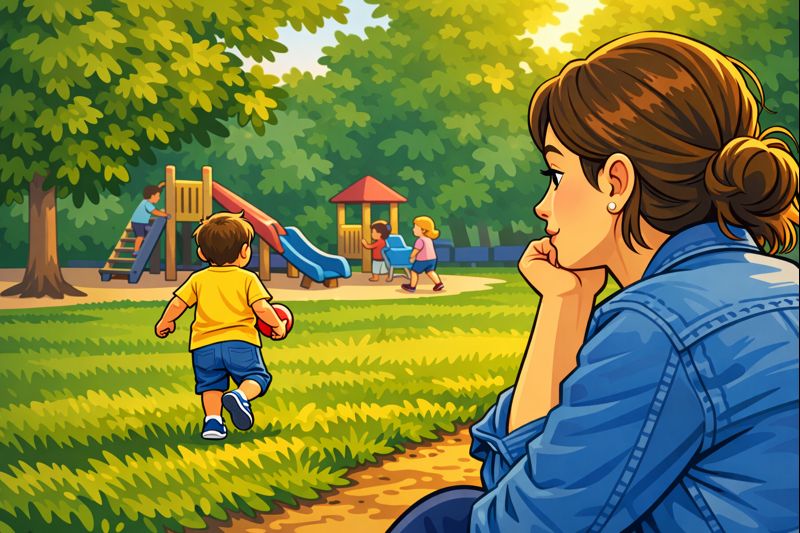

Picture this: your little one, once glued to your leg, now runs off to play without a backward glance. Or worse, they brush off your hugs and seem perfectly content without you nearby. If you’re a parent watching this unfold, your heart might ache with worry “Does my toddler even love me anymore?”
You’re not alone, dear reader. This “unattached” phase hits many families, especially around ages 1–3. But here’s the good news: it’s rarely a sign of broken bonds. Often, it’s your child’s brave first steps toward independence or a signal they need a bit more of your steady presence. Let’s unpack why this happens and how to bridge the gap with love and patience.
The Toddler Independence Explosion
Toddlers aren’t rejecting you; they’re discovering their power. Between 12–36 months, their brains explode with new skills walking, talking, climbing and they want to test them all day long.
This push for autonomy feels thrilling to them, like a superhero cape finally fitting right. They dash toward toys, friends, or even strangers at the park, seeming utterly uninterested in mom or dad. It’s not detachment. it’s exploration mode. Psychologists call this the “rapprochement” phase in attachment theory: kids venture out but circle back for “emotional refueling” when needed
Separation Anxiety’s Sneaky Swings
Ever notice how toddlers flip between clingy meltdowns and cool indifference? That’s separation anxiety doing its rollercoaster dance, peaking around 8–18 months but lingering into toddlerhood.
Triggers like starting daycare, a new sibling, or even grandma’s visit can spark it. Your child might scream when you leave. then act like you don’t exist when you return. Why? They’re processing big emotions in tiny bodies. The “unattached” vibe is often self protection: “If I don’t need you, leaving won’t hurt.”
When Parents Feel Distant (Without Realizing It)
Sometimes, the gap starts on our end. Modern life endless work calls, phone scrolls, household chaos can make us emotionally “checked out,” even if we’re physically there.
Toddlers are emotional sponges. If you’re stressed, rushing meals, or snapping during tantrums, they sense it and pull back to avoid rejection. Harsh discipline (“No hugging now!”) or inconsistency (one day affectionate, next day too busy) teaches them: “Better not get too close.”
A common trap: over-scheduling. Playdates, classes, screens replace quiet floor time. Your toddler learns self soothing early. but at the cost of feeling truly seen.
Other Hidden Culprits
Routine Disruptions: Moves, illnesses, or family travels create insecurity. They withdraw to cope.
Temperament Mismatch: Some kids are naturally independent “easy” explorers; others need constant reassurance.
Milestone Overload: Teething, potty training, or language bursts drain emotional energy, making them seem aloof.
Rarely, deeper issues like early separations or unresolved trauma play a role, leading to avoidant attachment. Signs? Persistent avoidance of eye contact, comfort, or play. If this fits, chat with a pediatrician.
Spotting Healthy Distance vs. Real Concerns
| Healthy Toddler “Detachment” | Potential Red Flags |
|---|---|
| Explores independently but seeks you for comfort or pride sharing (e.g., “Look, Mama!”) | Consistently avoids hugs, eye contact, or your lap |
| Short phases tied to changes (daycare, new baby) | Extreme fear, aggression, or withdrawal in all settings |
| Happy to reunite after brief separations | No distress at long goodbyes; seems indifferent always |
| Responds to extra cuddles and play | Ignores reassurance; symptoms worsen over months |
7 Heartfelt Ways to Reconnect (Starting Today)
You can’t force attachment, but you can invite it. These steps blend child psychology with real parent wisdom:
- *Floor Time Magic: 10–15 minutes daily, *no distractions. Sit at their level, follow their lead. No teaching just being. Builds trust like nothing else.
- Name Their Feelings: “You seem mad/sad/tired. I’m here.” Toddlers feel understood, melting walls.
- Predictable Rituals: Morning hugs, bedtime stories. Consistency screams “You’re my world.”
- Playful Reconnection: Chase games, peek-a-boo, or silly dances. Laughter rewires bonds.
- Cut Screen Time: Swap iPad for blocks. Face-to-face interaction grows emotional glue.
- Self-Care for You: Stressed parents transmit stress. A calm you draws them closer.
- Quality Over Quantity: One focused hour > scattered day. Be fully present.
Parent story: Arun from Ernakulam shar
The Long-Term Payoff
This phase passes, dear parent. Toddlers who feel securely attached grow into confident kids who explore boldly because they know home base awaits. Neglect it, and cracks can widen.
You’re already ahead by noticing and caring. Start small today put down the phone, hit the floor, and watch those tiny arms reach back. Your bond isn’t fragile; it’s waiting for your invitation.