
It is common for toddlers to develop sudden or unusual fears as they grow, and much of this stems from the same developmental “explosion” that drives their independence. Between 12–36 months, their brains are rapidly processing new sensory information.
While your provided documents primarily focus on attachment and independence, here is how those developmental shifts can relate to unusual fears and sensory sensitivity:
Sensory Overload and “Exploration Mode”
When a toddler is in “exploration mode,” they are hyper-aware of their surroundings. Because their brains are “exploding” with new skills, their nervous systems can sometimes become easily overwhelmed by loud or unexpected sounds. This is often just a byproduct of their intense focus on discovering the world around them.
Big Emotions in Tiny Bodies
Toddlers often experience “rollercoaster” emotions. A sudden loud noise or an unfamiliar object can trigger a fear response because they don’t yet have the logic to understand it. They are processing big emotions in tiny bodies, and what seems small to an adult can feel like a major threat to a toddler finding their footing.
Routine Disruptions and Insecurity
If there have been recent routine disruptions, such as a move, illness, or family travel, a toddler may feel more insecure. This heightened state of insecurity can make them “withdraw to cope” or become more easily startled by things that didn’t bother them before.
Milestone Overload
When a child is going through milestone overload—such as language bursts or potty training—their emotional energy is often drained. This can leave them with less “emotional bandwidth” to handle startling sounds or new experiences, making them appear more fearful or aloof than usual.
Handling a toddler’s unusual fears or sudden detachment requires a blend of emotional support and consistent presence. You can’t force an attachment, but you can certainly invite one by using these strategies.
How to Help Them Feel Safe
Master “Floor Time”
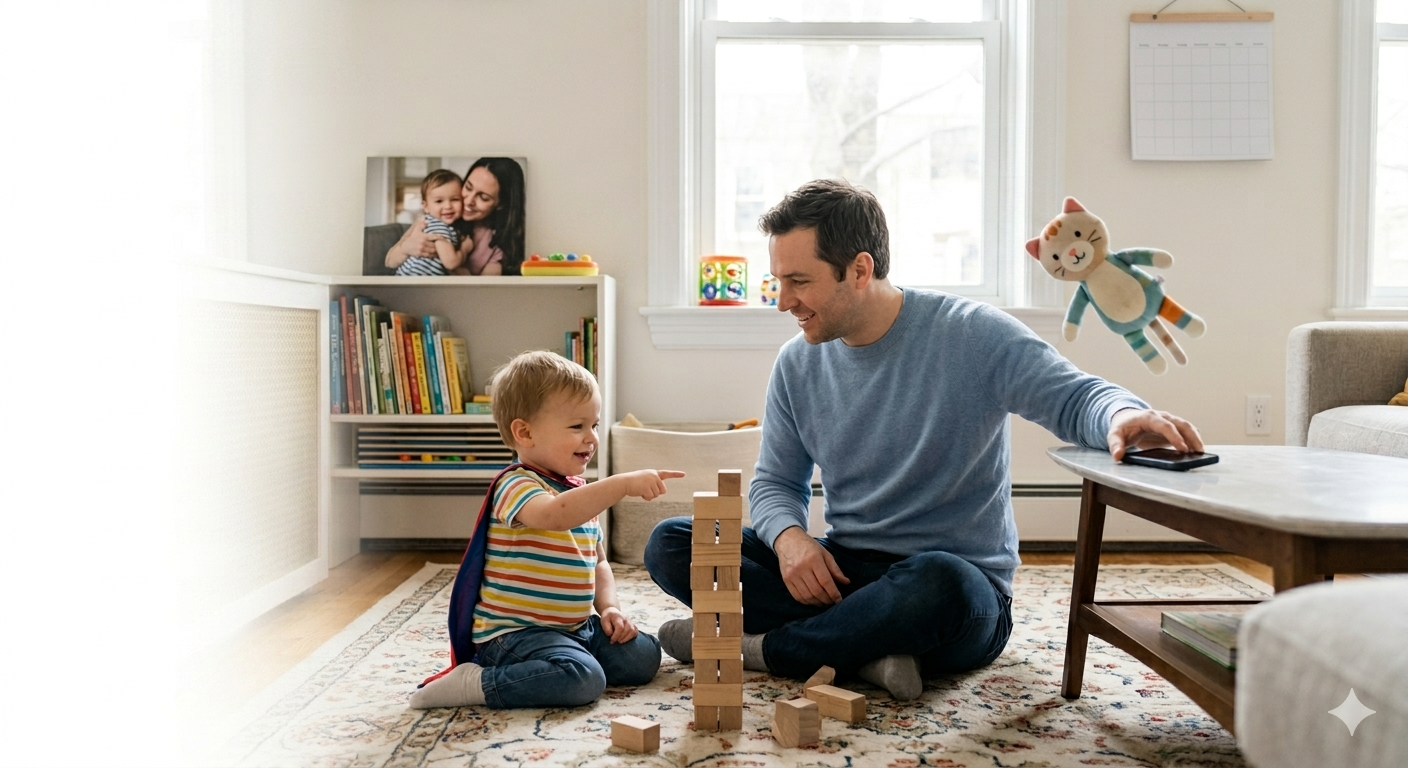
Dedicate 10–15 minutes every day to sitting on the floor at your child’s level.
- Remove all distractions: Put away your phone and stop household chores.
- No teaching: Avoid the urge to turn play into a lesson; simply follow their lead.
- Build trust: This focused attention builds the massive amounts of trust they need to feel brave and secure.
2. Validate and “Name” Their Emotions
When your toddler is scared or acting aloof, they are often processing big emotions in tiny bodies.
- Label the fear: Use phrases like, “That loud truck was scary. I’m right here”.
- Acknowledge the feeling: Saying, “You seem mad/sad/tired,” helps them feel understood and can melt defensive walls.
3. Use Play to Bridge the Gap
Laughter is a powerful tool to rewire bonds and reduce fear.
- Playful interaction: Engage in chase games, peek-a-boo, or silly dances.
- “Emotional Glue”: Face-to-face interaction and play grow the emotional bond between you.
- Limit screens: Swap iPads or TV for blocks and active play to encourage more interaction.
4. Create a “Safe Harbor” with Routines
Consistency is vital when a child is going through milestone overload or routine disruptions.
- Predictable rituals: Use morning hugs and bedtime stories to provide a sense of safety.
- Send a clear message: Consistency “screams” to your child that they are your world and that their environment is secure.
5. Check Your Own “Emotional Connection”
Toddlers are emotional sponges and can sense when a parent is physically present but emotionally “checked out”.
- Self-care: A calm parent draws a child closer; managing your own stress prevents transmitting that tension to your toddler.
- Quality over quantity: One hour of being fully present is more effective than a whole day of being distracted or scattered.
- Avoid harsh inconsistency: Ensure you aren’t alternating between being very affectionate and being “too busy,” which can teach a child it is safer to stay distant.